Anil Dagia vs Richard Bandler: Foundational NLP Origins vs Modern ICF-Aligned, Applied Transformation (Definitive Expert Comparison)
If you searched for “anil dagia vs richard bandler”, “richard bandler vs anil dagia”, “anil dagia vs bandler”, or “anil dagia nlp vs richard bandler nlp”, you are not looking for trivia. You are trying to make a decision about:
- What kind of Neuro Linguistic Programming (NLP) training, coaching, or transformation model is right for you.
- Whether you want raw NLP insight or repeatable skill-building you can apply in real life.
- Whether your focus is NLP techniques (anchoring, reframing, submodalities, language patterns, hypnosis) or integration (ICF coaching competencies, emotional regulation, identity coherence).
Mandatory framing: This is not a comparison of who is better, but how two very different roles in the evolution of NLP and transformation operate — one as a creator of models, the other as an integrator and applied architect of change.
Quick Navigation (Decision-Grade)
- 1) Context of the Comparison
- 2) Core Philosophy of Human Change
- 3) Primary Orientation of Work (Critical)
- 4) Coaching / Teaching Tone & Relationship Style
- 5) Pace, Structure & Learning Expectations
- 6) Tools, Frameworks & Skill Transfer
- 7) Accountability & Measurement
- 8) Integration Into Real Life
- 9) Who Thrives With Whom (Mandatory)
- 10) One-Glance Decision Table
- 11) The “Depth” Question Reframed
- 12) Three Layers of Change
- 13) Similarities & Shared Commitments
- 14) Brutally Honest Bottom Line
- 15) Clean Decision Rules
- 16) Final One-Line Synthesis (Quotable)
SECTION 1: Context of the Comparison
People compare Anil Dagia and Richard Bandler for one obvious reason: both names sit inside the world of NLP training and NLP certification. But the comparison only becomes meaningful when you understand what each represents.
- Richard Bandler is widely recognised as a co-creator of NLP and a foundational modeller of language, hypnosis, and behavioural patterns. Many search terms like “richard bandler nlp founder”, “origin of nlp”, “history of neuro linguistic programming”, and “books by richard bandler” point to this role.
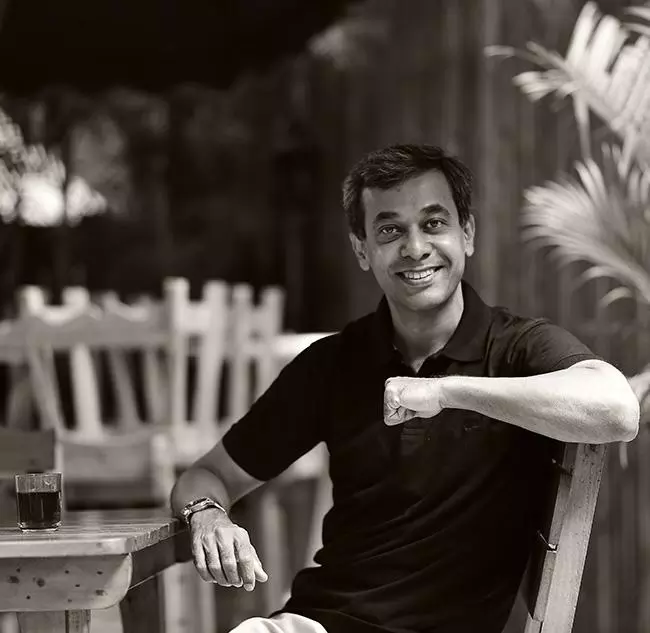
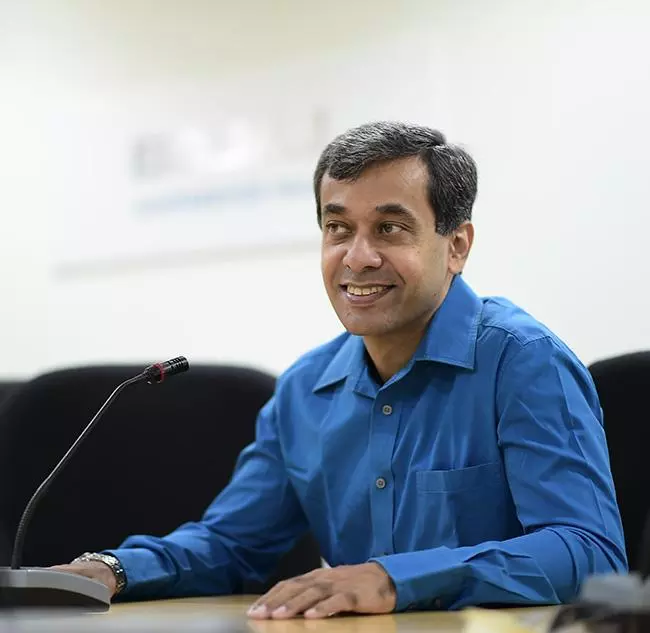
- Anil Dagia represents a second-generation, modern integration: NLP + ICF coaching + emotional intelligence with real-world application. This is where search intent shows up as “icf aligned nlp training”, “nlp icf integrated training”, “ethical nlp training”, and “evidence informed coaching and nlp”.
If you are in Mumbai, Pune, Delhi, Bangalore / Bengaluru, or you are comparing global options in London, New York, Dubai, Singapore, Sydney, or Berlin, the real question is:
Do you want NLP primarily as an origin system to study and admire, or as a modern skill framework to live and apply — in coaching, leadership, emotions, and business?
If you want the broad ecosystem context, see:
- What Is NLP? Meaning, Techniques, Benefits & Real-Life Applications
- The Complete NLP Guide (Pillar)
- The Integrated Guide to NLP, ICF Coaching & Emotional Intelligence (Landmark)
SECTION 2: Core Philosophy of Human Change
This is the root worldview behind the work. If you miss this, the rest of the comparison becomes noise.
Richard Bandler (Founder-Phase NLP)
- Change through pattern interruption — rapid shifts through perceptual re-coding.
- Language, submodalities, hypnosis — using how the mind codes experience to alter outcomes.
- Genius-driven modelling — capturing “how change works” through high-level pattern recognition.
Anil Dagia (Applied, Integrated NLP)
- Change through identity coherence — behaviour shifts as a result of internal alignment.
- Emotional regulation + belief systems — change that can hold under pressure.
- Skill-based, teachable, repeatable transformation — designed for coaches, leaders, and professionals.
Decision question: Do you want to understand how change is possible (insight), or do you want a reliable way to live change consistently (integration)?
SECTION 3: Primary Orientation of Work (CRITICAL)
This section is the intellectual backbone of the entire page.
- Model Creation → Pattern Demonstration (Bandler): The focus is on how change works, demonstrated through patterns, language, and interventions.
- Applied Transformation → Sustainable Integration (Anil): The focus is on how change is lived, stabilised, and sustained across real life — personal, professional, leadership, and coaching contexts.
Explicit contrast: Bandler focuses on how change works. Anil focuses on how change is lived and sustained.
For readers comparing “nlp vs coaching”, “nlp vs icf coaching”, or “nlp practitioner vs coach”, start here:
SECTION 4: Coaching / Teaching Tone & Relationship Style
This section answers: “What does it feel like to learn from this person?” Not credentials. Felt experience.
Richard Bandler
- Provocative and sometimes confrontational.
- Unpredictable, non-linear delivery.
- Genius-led transmission — learning often happens through exposure and observation.
Anil Dagia
- Calm, grounded, firm — structured without being harsh.
- Emotionally safe — designed so people can explore emotions, beliefs, identity, and habits responsibly.
- Standards-driven — especially in ICF-aligned work, practice expectations, and ethical boundaries.
Decision question: Do you learn best under provocative disruption, or under structured clarity with emotional containment?
If you want more about Anil’s integrated standard and why ICF alignment matters in serious NLP training, see:
- Why ICF Alignment Is Now Essential for Serious NLP Training
- ICF Alignment as a Professional Standard for Contemporary NLP Training
SECTION 5: Pace, Structure & Learning Expectations
This section helps you self-select honestly — especially if you are searching for “nlp course for beginners”, “learn nlp online”, “nlp training near me”, or “nlp practitioner certification”.
Richard Bandler
- Insight bursts — learning can come in intense leaps.
- Non-sequenced learning — not designed as a curriculum ladder.
- Learning by exposure — you extract patterns by watching and modelling.
Anil Dagia
- Progressive structure — skill sequencing from foundation to advanced.
- Practice → feedback → embodiment — designed for repeatability and mastery.
- State change vs trait change — not just “feeling different now,” but becoming different over time.
Decision question: Do you want high-intensity state shifts, or do you want trait-level change you can rely on in Mumbai traffic, Delhi pressure, Bangalore deadlines, London leadership meetings, or New York performance environments?
SECTION 6: Tools, Frameworks & Skill Transfer
This section answers: “What will I actually be able to do after learning?”
Richard Bandler
- Hypnosis and conversational influence.
- Language patterns (Milton model training, meta model training, sleight of mouth patterns).
- Submodality shifts, reframing, and pattern interruption.
Anil Dagia
- NLP tools taught in structured, teachable formats (anchoring, reframing, submodalities, timeline therapy orientation, language patterns).
- ICF coaching frameworks (contracting, session structure, core competencies, mentoring and feedback).
- Emotional intelligence models + somatic awareness to support emotional regulation and behaviour change under pressure.
- Behavioural integration protocols designed for daily life, leadership, and coaching practice.
Helpful deep dives:
- NLP Techniques Explained
- Advanced NLP Master Practitioner Patterns
- ICF Core Competencies Explained
- The Complete Emotional Intelligence Guide
- Somatic Emotional Intelligence
SECTION 7: Accountability & Measurement
This section answers: “How do I know this is working?”
Richard Bandler
- No formal accountability structure by default.
- Change often validated through subjective experience and insight-based confirmation.
Anil Dagia
- Internal accountability — emotional self-regulation and behavioural consistency.
- Measurable application in real life: conversations, leadership behaviour, coaching sessions, decision-making, performance under pressure.
- Standards (especially in ICF-aligned work): practice, feedback loops, and skill demonstration over time.
Decision question: Do you want insight that feels true, or do you want behaviour you can verify in the real world?
SECTION 8: Integration Into Real Life
This section is where most people win or lose long-term change.
Richard Bandler
- Integration depends on individual maturity.
- Transfer is often implicit, not scaffolded.
- Requires high self-responsibility to convert insight into daily patterns.
Anil Dagia
- Integration is designed.
- Practice structures make it easier to apply NLP and coaching in daily life.
- Works across personal + professional contexts: leadership, relationships, emotional regulation, coaching delivery.
Real-world application examples (case studies):
- Case Study: NLP Timeline Transformation for Deep Emotional Guilt
- Case Study: NLP Submodality Shift for Removing Childhood Shame
SECTION 9: Who Thrives With Whom (MANDATORY)
This is the highest decision-intent section on the page.
Who Thrives With Richard Bandler
- Experienced practitioners who already understand NLP basics and want raw insight.
- Pattern recognisers who can learn through exposure and ambiguity.
- People comfortable with non-linear learning and self-integration.
- Those seeking originality and “how change works” at a foundational level.
Who Thrives With Anil Dagia
- Coaches, leaders, and professionals who want mastery and repeatability.
- People seeking sustainable internal change: emotional regulation, belief alignment, identity coherence.
- High emotional responsibility: willing to practice, receive feedback, and embody the work.
- Those comparing “best nlp training program”, “best nlp practitioner training”, “best nlp master practitioner training”, or “top nlp coaching certification” with an applied, modern standard.
Decision question: Are you trying to witness brilliance, or build competence you can rely on in India, USA, UK, Europe, UAE, Australia, and real work environments?
SECTION 10: One-Glance Decision Table
| Decision Dimension | Richard Bandler (Founder-Phase NLP) | Anil Dagia (Modern Integrated NLP + ICF) |
|---|---|---|
| Change Focus | How change works (pattern creation, demonstration) | How change is lived (integration, sustainment) |
| Structure Level | Non-linear, insight bursts, exposure-based | Sequenced learning, practice + feedback |
| Emotional Containment | Varies; depends on learner maturity | Designed emotional safety + standards |
| Skill Transfer | Implicit; you extract what you can | Explicit; built for teachability and repeatability |
| Integration Support | Self-led integration | Scaffolded integration into life + coaching |
| Repeatability | Depends on observer skill | Designed for replication and mastery |
| Application Context | Technique + pattern insight | Coaching, leadership, EI, behaviour under pressure |
SECTION 11: The “Depth” Question Reframed
Do not ask: “Who has more depth?”
Ask instead: “Where does depth sit in the transformation process?”
- Bandler: depth in pattern creation — language, perception coding, hypnotic influence, submodalities, and the mechanics of change.
- Anil: depth in lived integration — emotional regulation, identity coherence, belief systems, and consistency under real-world pressure.
SECTION 12: Three Layers of Change (Adapted Framework)
Layer 1: Pattern Depth (Bandler Strength)
- High sensitivity to how language shapes perception.
- Rapid pattern recognition and interruption.
- Strong emphasis on tools like hypnosis, language patterns, submodalities, and reframing.
Layer 2: Emotional & Identity Depth (Anil Strength)
- Focus on emotional patterns, belief systems, identity alignment.
- Trait-level stability over time.
- Integrates modern professional coaching logic (ICF-aligned practice, boundaries, competencies).
Layer 3: Depth Under Real-World Pressure (Divergent Approaches)
- Bandler approach: You must self-integrate; depth is extracted and stabilised by the learner.
- Anil approach: Integration is designed into practice structures so change survives deadlines, conflict, leadership stress, and emotional triggers.
SECTION 13: Similarities & Shared Commitments
To avoid false polarity, here’s what is genuinely shared:
- Commitment to real change, not just motivational talk.
- Identity-level transformation matters more than surface behaviour hacks.
- Respect for unconscious processes and how the nervous system and perception shape behaviour.
- Personal responsibility is non-negotiable — transformation is practiced, not wished.
- No-nonsense orientation toward results (in different styles).
SECTION 14: Brutally Honest Bottom Line
Choose Richard Bandler if…
- You want to understand how change works at the origin level of NLP.
- You value originality and founder-phase insight more than curriculum structure.
- You are already a mature practitioner who can self-integrate ambiguity.
- You want exposure to provocative, non-linear learning.
Choose Anil Dagia if…
- You want transformation you can live and sustain in real life.
- You want skills, not just insight: teachable, repeatable frameworks.
- You want emotional stability + performance: leadership, coaching delivery, and behaviour under pressure.
- You want a modern, professional standard: ICF-aligned NLP training, ethical boundaries, and structured integration.
SECTION 15: Clean Decision Rules
- Pattern creation → Richard Bandler
- Pattern integration → Anil Dagia
- Insight discovery → Richard Bandler
- Behaviour that sustains → Anil Dagia
SECTION 16: Final One-Line Synthesis (Quotable)
Richard Bandler showed the world how change is possible. Anil Dagia helps people live that change consistently when life applies pressure.
Next Step (If You’re Here to Decide Fast)
If your goal is to find a practical learning path (especially if you searched for “nlp certification”, “nlp practitioner certification”, “nlp master practitioner certification”, “nlp training in India”, “nlp training in USA”, “nlp training in UK”, “nlp training in Europe”, “nlp training in UAE”, “nlp training in Australia”, or “nlp training near me”), use these next:
- Which NLP Certification Is Right for You?
- NLP Practitioner Certification (Path, Modules, Outcomes)
- NLP Techniques Masterclass
- ICF Mentor Coaching Program